Last updated: 28 October 2026
Solar and battery buyer’s guide for Scottish homes
Quick answer
This buyer’s guide walks you through everything a Scottish homeowner needs to know before getting solar panels and battery storage: what to check on your roof, how to compare quotes, what to ask about batteries, and how to avoid common pitfalls. Use the checklist below to make a confident decision.
Key facts
- A solar and battery system should be sized to your actual usage, not a textbook average.
- 0% VAT on solar panels and home battery storage runs until 31 March 2027.
- MCS-certified installation means the work meets a recognised industry standard.
- The survey and quote should carry no obligation — never feel pressured to decide on the day.
- A battery lets you use more of what you generate and charge on cheaper overnight tariffs.
- Interest-free credit up to £30,000, subject to status.
Last updated: 28 October 2026
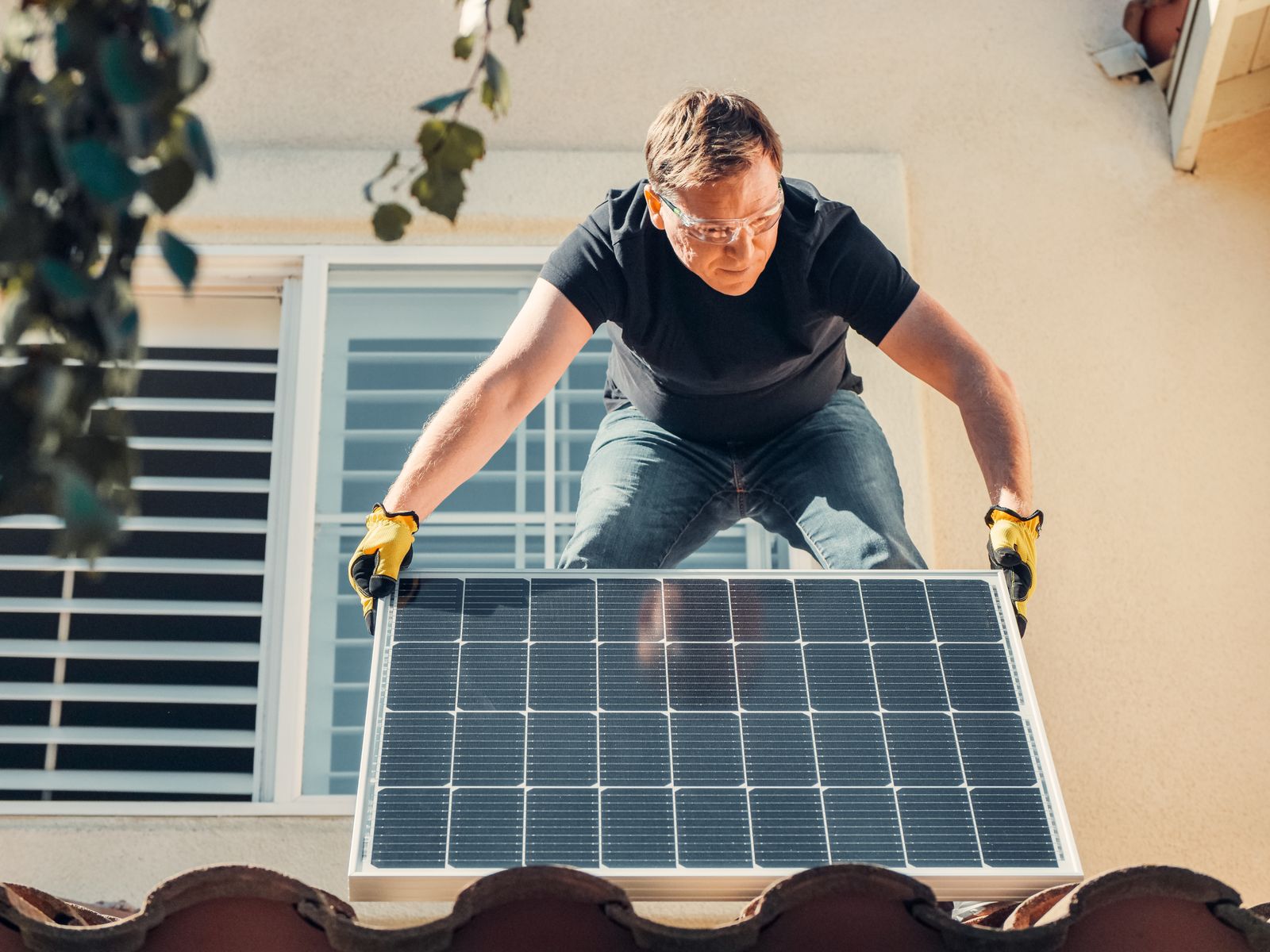
Step 1: Check your roof before you do anything else
Before you ask for a survey, take a look at your roof. Which direction does it face? South is ideal, but east-west roofs can also work well — a battery can store midday surplus from a south-facing array, or balance morning and afternoon generation from an east-west split. What is the pitch? In Scotland, a roof pitch of around 30–40 degrees is typical and works well for solar. Are there chimneys, dormer windows or trees that cast shadows? All of this matters, and a proper survey will check every one of these factors.
Step 2: Understand your household energy usage
The right system size depends on how much electricity your household uses and when you use it. If you use most of your electricity in the evening, a larger battery lets you store daytime generation for when you need it. If you are home during the day, you will use more of what the panels generate directly. Gather a year of electricity bills or smart meter data before the survey so the system can be sized to your actual life, not a guess.
Step 3: Decide whether you need a battery
Solar panels without a battery export surplus generation to the grid. With a battery, you store that surplus and use it yourself, which is almost always better value. A battery also lets you charge from the grid on a cheaper overnight tariff, which is valuable during winter when generation is low. The survey assesses your usage pattern and available space to recommend the right battery capacity.
Step 4: Compare quotes the right way
When you receive a quote, check that it includes the panels, the inverter, the battery (if you are having one), all electrical work, mounting systems, scaffolding and labour. Check that 0% VAT has been applied where eligible. Ask what standard the installation will be carried out to — MCS certification is the recognised industry standard. Ask about warranties on the panels, the inverter and the battery, and ask what happens if something needs attention after installation.
Step 5: Think about the smart tariff
Once your system is installed, the right electricity tariff makes a real difference. Some tariffs offer cheaper rates at night, which lets you charge your battery from the grid when prices are low. Others pay you for exporting surplus solar. The best tariff depends on how much you generate, how much you use, and when you use it. We explain the options as part of the process so you can choose a tariff that matches your system.
Scottish homeowner’s solar checklist
Use this checklist before, during and after your survey to make sure nothing is missed.
Before the survey
- Check which direction your roof faces
- Note any shading from chimneys, trees or buildings
- Gather a year of electricity bills or smart meter data
- Check if your property is listed or in a conservation area
- Identify where a battery could go (garage, utility, loft)
During the survey
- Ask about roof structure and condition
- Check whether your consumer unit needs upgrading
- Ask about battery capacity and why that size
- Ask what the installation will be certified to (MCS)
- Confirm there is no obligation to proceed
When you get the quote
- Check all costs are included (panels, inverter, battery, scaffolding, labour)
- Confirm 0% VAT has been applied where eligible
- Check warranties on panels, inverter and battery
- Ask about finance options if spreading the cost helps
- Take your time — never feel pressured to decide on the day
After installation
- Ask how to time appliances for peak generation
- Review your electricity tariff and consider a smart tariff
- Check how to monitor generation and battery status
- Keep installation paperwork and warranties safe
- Know who to contact for installation queries vs advice
Last updated: October 2026. This checklist is a general guide — your survey and quote will address the specifics of your home.
Common mistakes to avoid
- Buying without a proper survey. Satellite estimates and phone quotes cannot assess roof structure, shading or your electrical setup. A physical survey is the only way to get a system that actually fits your home.
- Undersizing the battery. A battery that is too small means you export surplus generation instead of using it. A battery that is too large costs more without adding proportional value. The survey recommends the right capacity for your usage.
- Ignoring the tariff. The right smart tariff can make a significant difference to the value of your system, especially in winter when you are drawing more from the grid.
- Feeling pressured. A reputable survey and quote carry no obligation. If you feel pressured to decide on the day, that is a warning sign.
- Forgetting about VAT. 0% VAT on solar panels and home battery storage runs until 31 March 2027. Make sure your quote reflects this.
We arrange surveys and quotes; installation is by our MCS-certified partners. Interest-free credit up to £30,000, subject to status.
Frequently asked questions
How do I know if my roof is suitable for solar?
+
What should be included in a solar quote?
+
Do I need a battery with my solar panels?
+
What is MCS certification and why does it matter?
+
Should I feel pressured to decide on the day of the survey?
+
Is finance available for solar and battery installations?
+
Reviewed by the Scottish Energy Efficiency team. Last updated: 28 October 2026.
Ready to arrange your survey?
Arrange a no-obligation survey and quote for solar panels, battery storage or a smart tariff. It takes two minutes and there's no pressure.
Related guides
Costs & VAT
How pricing works and 0% VAT until March 2027.
Read more →How It Works
From survey to installation through MCS-certified partners.
Read more →Areas Covered
The Scottish regions we serve.
Read more →Commercial Solar
Commercial solar, battery, EV charging and farm solutions.
Read more →